

It’s becoming more and more common in Scotland for builders to favour local window suppliers, and there’s a good reason for that. It generally boils down to a few key benefits: faster delivery times, simpler logistics, and cutting out the costly step of dealing with a third party. This shift isn’t really about trends; it’s about practical advantages that translate directly into smoother building projects.
When you’re on a building site, time is money, and delays can ripple through an entire project. Choosing a local window supplier often means you can get the materials you need much quicker than if you were relying on a national distributor or a supplier based further afield. This isn’t about patriotism for Scotland; it’s about a pragmatic approach to managing timelines and resources effectively.
Understanding Lead Times in Construction
How Local Supply Chains Can Shorten Delays
In the world of construction, lead times are the duration between ordering a product and receiving it. For windows, this can vary wildly depending on factors like manufacturing capacity, stock levels, and transportation. A local supplier, by definition, has a shorter geographical distance to cover. This proximity often means they can offer more predictable and shorter lead times. Think about it: a firm just down the road can likely get a replacement pane or a standard-sized window to your site in a day or two, whereas a national company might have a waiting list tied into their weekly delivery schedules across the country.
The Impact of Long Lead Times on Project Management
Extended lead times for crucial components like windows can throw a wrench into even the best-laid plans. Plasterers might have to wait to finish internal walls, decorators might be delayed, and ultimately, the entire project completion date can be pushed back. This not only incurs further costs for labour but can also affect client satisfaction, especially if deadlines were part of the original agreement. For builders, this uncertainty is a significant risk.
In light of the recent trend of Scottish builders opting for local window suppliers, it’s essential to consider the broader implications of material choices in the construction industry. For instance, the article on the pros and cons of aluminium versus PVC-U trade windows provides valuable insights into how these materials can impact lead times and logistics, ultimately influencing the decision to eliminate the middleman. To explore this topic further, you can read the article here: Aluminium vs PVC-U Trade Windows: Pros & Cons.
Streamlining Logistics: Less Hassle, More Efficiency
Logistics, in simple terms, is about getting things from point A to point B. When you’re dealing with bulky items like windows, the complexity of this process can escalate quickly. Local suppliers tend to simplify this considerably.
The Challenges of Long-Distance Deliveries
Transporting large, fragile items like windows across significant distances presents a number of logistical headaches. There are increased risks of damage during transit, more complex insurance needs, and potentially higher shipping costs. Coordinating delivery slots for large vehicles in busy urban areas or remote rural locations can also be a challenge.
How Local Proximity Simplifies Delivery
When your window supplier is geographically close, delivery becomes far less complicated. Smaller, more frequent deliveries are often possible, meaning you can get what you need precisely when you need it, rather than waiting for a scheduled bulk delivery. This flexibility is invaluable. Imagine needing just a couple of bespoke windows for an extension – a local supplier can often manage this without the significant overhead of a national distribution network. It means fewer large trucks on the road, less waiting for deliveries to be scheduled, and a quicker turnaround from order to installation.
Managing Site Access and Delivery Windows
Construction sites, especially in built-up areas, often have tight access and specific delivery windows due to road restrictions or noise regulations. Local suppliers, being closer, are often more adaptable to these site-specific requirements. They might be able to make a delivery at a specific time that fits your site’s operations perfectly, avoiding disruption to neighbours or other tradespeople. This level of responsiveness is difficult for larger, more distant companies to match.
Cutting Out the Middleman: Saving Time and Money

The concept of the “middleman” in business refers to intermediaries between the producer and the consumer. In the context of windows, this might be a national distributor or a large retail chain that buys from manufacturers and then sells to builders. Opting for a local supplier often means dealing directly with the company that either manufactures the windows or has a very direct relationship with the manufacturer.
Who is the “Middleman” in Window Supply?
Often, national window supply chains involve manufacturers, then distributors, then potentially regional depots, and finally, the end supplier to the builder. Each stage adds its own layer of cost and administration. This could include warehousing costs, inventory management, sales teams for each level, and the profits expected at each point in the chain.
Direct Relationships and Cost Savings
When a Scottish builder deals with a local window supplier, they are often cutting out several of these layers. This direct relationship can lead to significant cost savings. Without the overheads of a large, multi-tiered distribution network, local suppliers can often afford to offer more competitive pricing. Furthermore, direct communication means fewer misunderstandings and a more streamlined order process.
The Value of Direct Communication
Direct communication with a local supplier is incredibly beneficial. If there’s an issue with an order, a design query, or a need for technical advice, you’re speaking directly to the people who can provide the answers or solutions. There’s no need to go through a lengthy query system or wait for a head office to respond. This immediacy speeds up problem-solving and keeps your project moving.
Quality and Customisation: Tailored to Scottish Needs
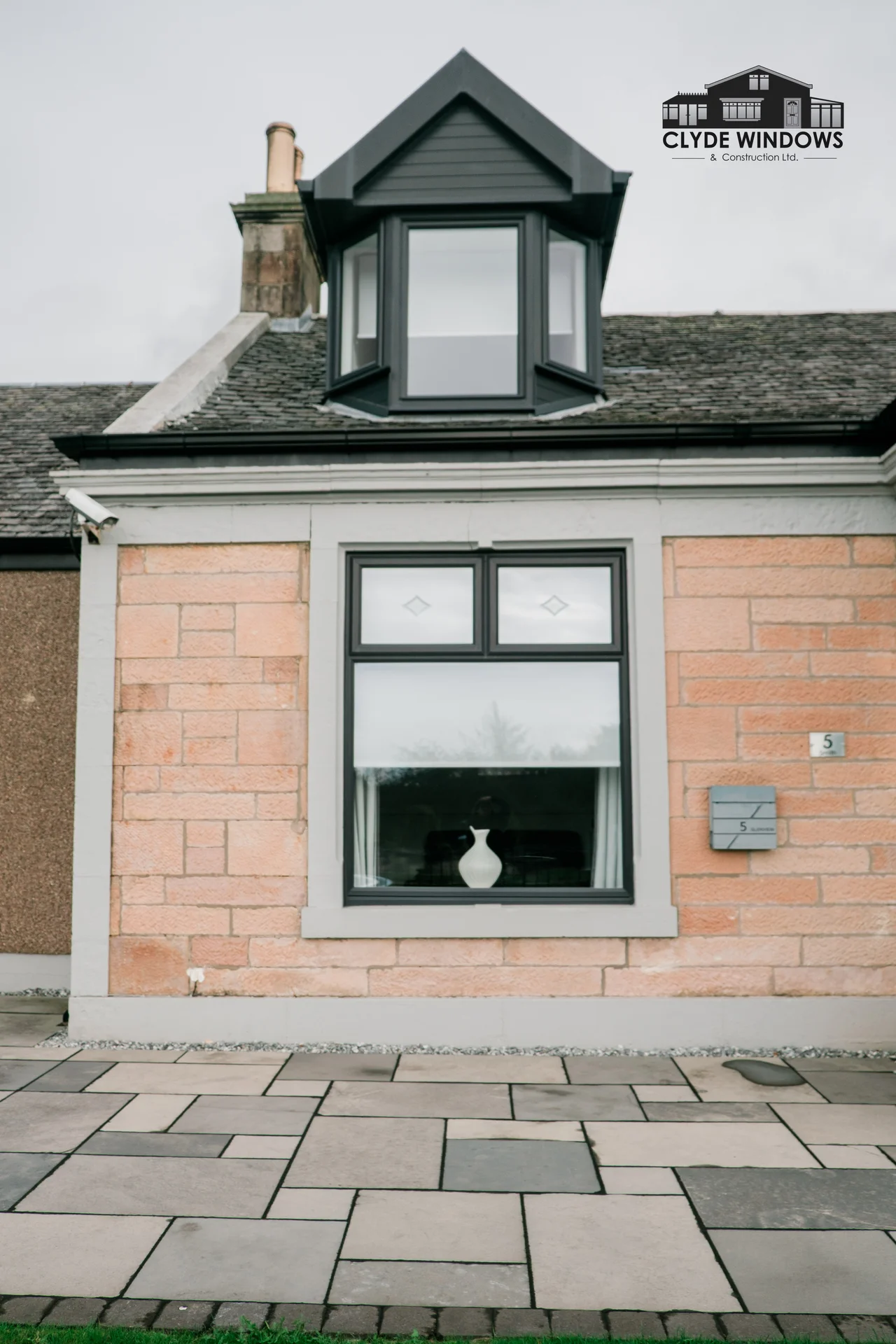
While the focus is often on speed and cost, local suppliers can also offer distinct advantages when it comes to the quality and customisation of windows, particularly in the context of Scotland’s unique climate and architectural styles.
Understanding Local Building Regulations and Styles
Scotland has specific building regulations that may differ from other parts of the UK, set out in Section 6 of the Building Standards Technical Handbooks. Local window suppliers are typically well-versed in these regulations, ensuring that the windows they provide meet all necessary requirements for energy efficiency, safety, and compliance. They also often have a good understanding of traditional Scottish architectural styles, meaning they can recommend and supply windows that will complement existing buildings or new builds designed with a Scottish aesthetic in mind. This knowledge is invaluable for maintaining the character of properties or ensuring new constructions blend seamlessly with their surroundings.
Bespoke Solutions for Unique Projects
Many building projects aren’t straightforward. They might involve unique sizes, specific material requirements, or unusual designs. Local window suppliers are often more agile when it comes to offering bespoke solutions. Their manufacturing processes or direct links to manufacturers may be more flexible, allowing them to produce custom-sized or custom-designed windows more readily than larger, more standardised operations. This means builders aren’t forced to compromise on design or fit.
Materials and Suitability for the Scottish Climate
The Scottish climate can be harsh, with strong winds, heavy rain, and significant temperature fluctuations. Local suppliers are more likely to understand the performance requirements for windows in this environment. They can advise on appropriate materials, glazing options, and frame types that will offer the best durability, insulation, and weather resistance for Scottish conditions. This practical knowledge can prevent future issues with condensation, heat loss, or premature wear and tear.
In recent discussions about the construction industry, a notable trend has emerged where Scottish builders are increasingly opting for local window suppliers to enhance efficiency and reduce costs. This shift is largely driven by factors such as shorter lead times, simplified logistics, and the elimination of middlemen, which ultimately benefits both builders and homeowners. For those interested in understanding the regulatory landscape that influences these decisions, the article on Part L building regulations in Scotland provides valuable insights into window U-values and their importance in sustainable building practices.
Building Stronger Local Relationships
| Reasons for Switching to Local Window Suppliers | Benefits |
|---|---|
| Lead Times | Shorter lead times for window delivery |
| Logistics | Improved logistics for window transportation |
| No Middleman | Direct communication and cost savings |
Beyond the purely transactional benefits, opting for local suppliers cultivates a sense of community and mutual support within the construction industry in Scotland.
The Knock-On Effect on the Local Economy
By choosing local businesses, builders directly contribute to the Scottish economy. This money stays within the local community, supporting jobs and local enterprise. It’s a virtuous cycle where supporting one local business can indirectly help many others. This isn’t about altruism; it’s about recognising that a healthy local economy benefits everyone, including the businesses that operate within it.
Reliability and Trust Built Over Time
Building a strong working relationship with a local supplier often leads to greater trust and reliability. Over time, suppliers get to know your business needs, your project types, and your expectations. This familiarity can translate into a more personalised service, with the supplier being more proactive in anticipating your needs or going the extra mile when you’re under pressure. This is a level of service that can be harder to achieve with a faceless national corporation.
Responsive Customer Service in the Trades
When you’re a builder, good customer service is not a luxury; it’s essential. Local suppliers often provide more responsive and accessible customer support. If there’s a problem with an installation, a query about a product, or a need for emergency assistance, a local contact is far more likely to be reachable and able to offer immediate help. This responsiveness can be critical in resolving issues swiftly and minimising downtime on site. For example, if a supplier has a small issue with a batch of windows, they can often rectify it internally or with their close manufacturing partners much faster than a large national entity. This speed means a delayed installation can potentially be back on track within hours rather than days. This direct line of communication can also extend to pre-sales support, where local suppliers can offer on-site consultations or site visits to assess requirements, something often not feasible or cost-effective for larger, more distant operations. They understand the practicalities of Scottish sites and can offer advice tailored to specific locations, from coastal areas exposed to salt spray to more sheltered inland spots. This tailored advice, backed by local knowledge, can significantly improve the longevity and performance of the windows installed, ultimately saving the builder and their clients money and hassle in the long run. The emphasis on local sourcing also often aligns with a commitment to quality. While “local” doesn’t automatically mean “superior,” many local suppliers pride themselves on the craftsmanship and durability of their products, often using materials sourced from within the UK or Europe and subject to rigorous quality control such as the BSI Kitemark. When a builder chooses a local supplier, they are often choosing a partner they can build a long-term relationship with, one that understands the unique demands of the Scottish construction landscape — the same logic that leads many builders to a local installer such as Clyde Windows & Construction for the fitted end product. This partnership can extend beyond just window supply, potentially leading to collaborations on other building materials or future projects. The ease of communication, the practicality of logistics, and the potential for cost savings all contribute to a smoother, more efficient, and ultimately more profitable building experience for Scottish builders.