
Aluminium windows have moved firmly into the mainstream residential market over the past decade. What was once primarily a commercial product is now routinely specified on extensions, new builds, and high-end renovation projects. For joiners and trade buyers, understanding the real differences between aluminium and PVC-u — beyond the aesthetic — is essential for advising clients correctly and specifying the right product for the job.
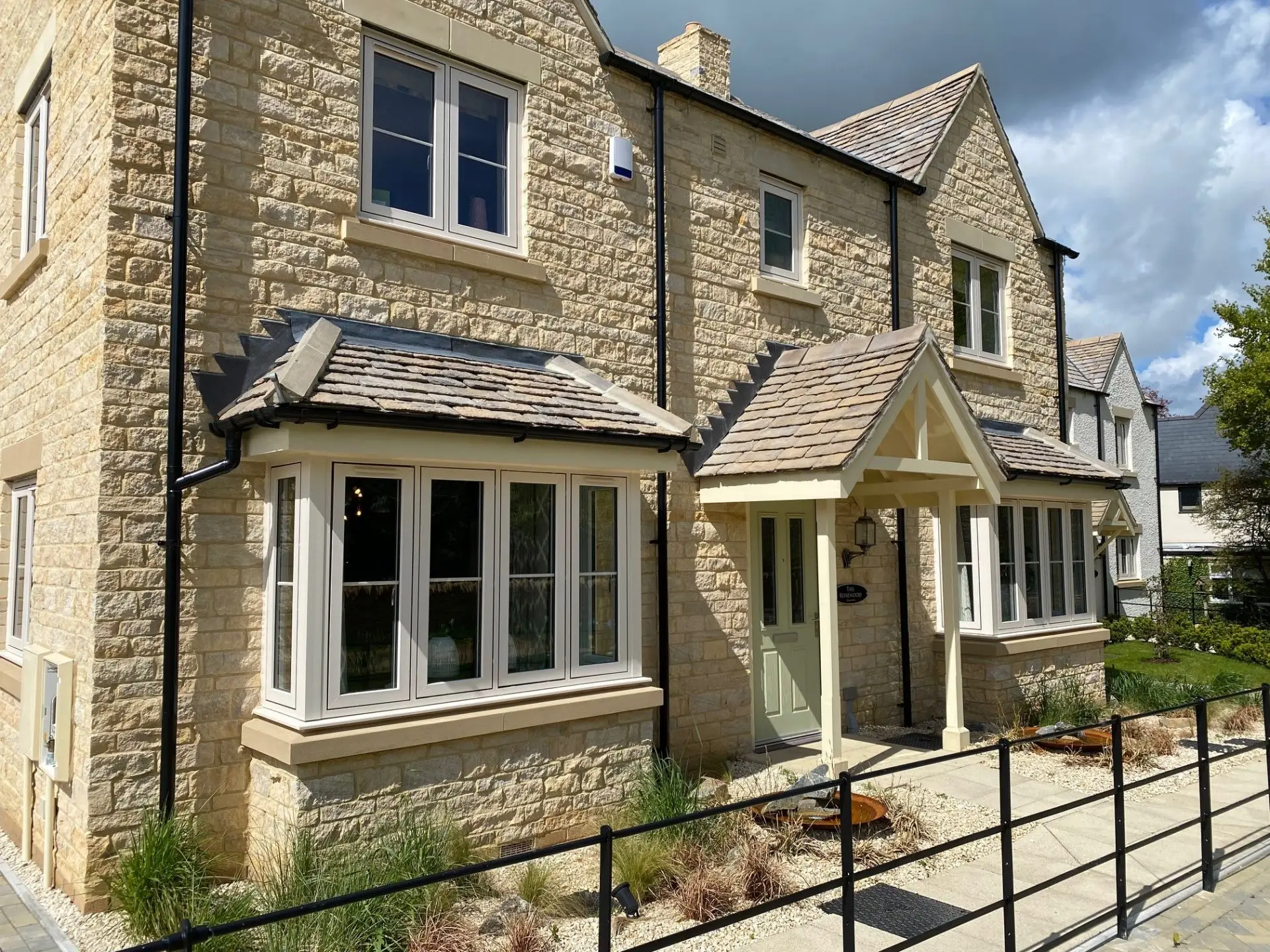
PVC-u: Strengths and Limitations
PVC-u remains the dominant material in the UK trade window market, accounting for the vast majority of residential installations. Its core advantages are well established:
- Cost — PVC-u is significantly cheaper to manufacture, supply, and install than aluminium at equivalent sizes
- Thermal performance — the multi-chamber profile provides inherent insulation; PVC-u achieves excellent U-values without thermal break complexity
- Low maintenance — does not corrode, does not need painting, and cleans easily
- Wide availability — lead times are typically shorter and more suppliers are equipped to manufacture PVC-u
The limitations of PVC-u are primarily aesthetic and structural. The material cannot achieve the slim sightlines that aluminium offers, and very large frame sizes require heavy steel reinforcement that adds weight and cost. PVC-u can also be perceived as a lower-status material on prestige projects, regardless of its actual performance.
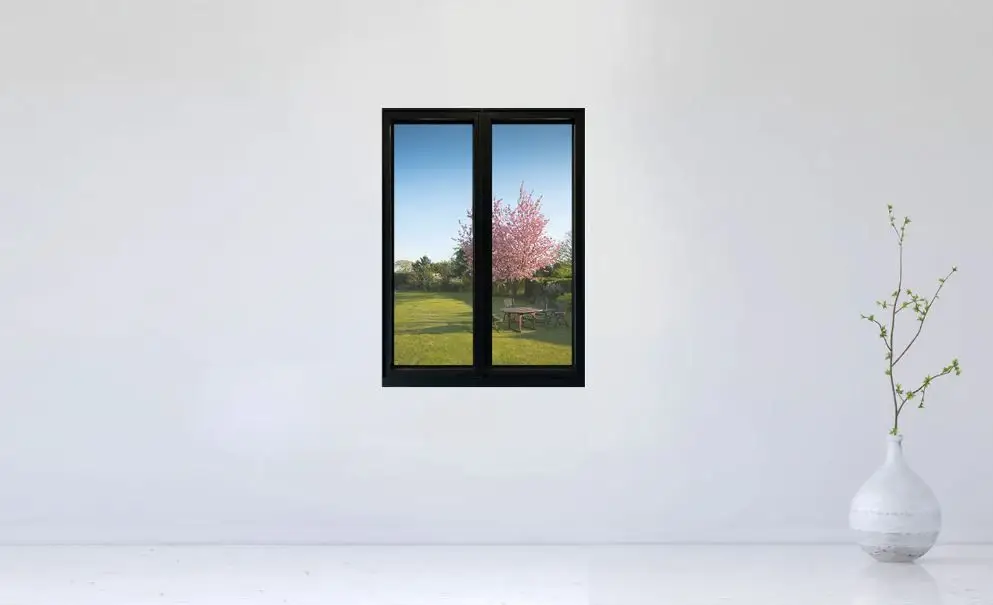
Aluminium: Strengths and Limitations
Aluminium’s primary advantage is its strength-to-section ratio. A much narrower frame section can carry the same glazing load, producing the slim sightlines that define contemporary architecture. Additional advantages include:
- Slim sightlines — 20–30mm sightlines are achievable in aluminium vs 60–80mm typical in PVC-u
- Spans and sizes — aluminium handles large fixed lights and wide openings without the reinforcement requirements of PVC-u
- Powder coat finish — the colour is harder-wearing than foil on PVC-u and offers a wider range of RAL options
- Perceived quality — aluminium carries a premium aesthetic that clients associate with high-specification work
The critical limitation is thermal performance. Aluminium conducts heat readily, which would make an unbroken aluminium frame highly inefficient. Quality aluminium window systems use a thermal break — a section of insulating polyamide separating the inner and outer aluminium faces. The quality and depth of this thermal break is the primary determinant of energy performance, and a low-cost aluminium system without an adequate thermal break will fail to meet building regulation requirements.

Cost Comparison
As a rule of thumb, aluminium windows cost approximately 2–3× the equivalent PVC-u product in material cost. Installation time is broadly similar for standard casements, though large fixed panes in aluminium may require additional handling equipment due to weight. Factor this differential into your quoting — and ensure clients understand the cost driver is the material specification, not the installation.
When to Specify Each
For more on the Eurocell PVC-u and aluminium systems we manufacture, read our guide to Eurocell profile systems explained. Both materials are available through our supply-only service — contact us to discuss pricing and specifications.
- Standard residential replacement — PVC-u is appropriate for the vast majority of work. It performs well, costs less, and meets all relevant standards
- Extensions, garden rooms, and orangeries — either material works; the choice depends on the client’s aesthetic and budget. Flush PVC-u casements increasingly bridge the gap visually
- Contemporary new builds and architect-led projects — aluminium is increasingly expected by architects for its slim sightlines and powder coat finish options
- Large glazed openings and commercial work — aluminium is the appropriate specification for structural glazing applications and large commercial façades