Replacement windows in a Scottish conservation area may be permitted development under Class 7A, but prior notification can be required depending on the elevation and proposed design. Like-for-like work that does not materially affect the external appearance may not be development at all. Listed buildings, World Heritage Sites and locally restricted properties need separate checks before a window is ordered.
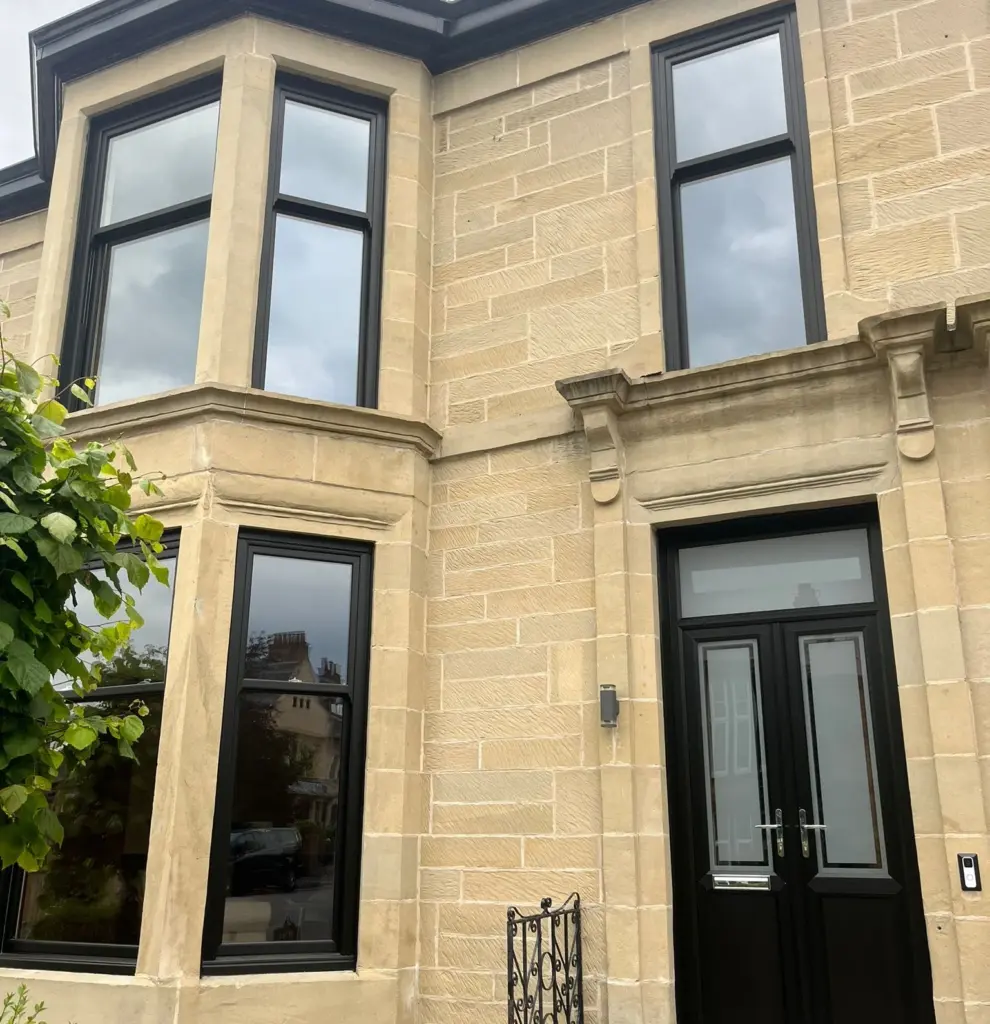
What is a Conservation Area?
A conservation area is a designated area of special architectural or historic interest, the character of which it is desirable to preserve or enhance. Designations are made by Local Authorities under the Planning (Listed Buildings and Conservation Areas) (Scotland) Act 1997. Historic Environment Scotland provides guidance on conservation area designation and management, and your Local Authority planning department holds records of all designated areas in their jurisdiction.
Conservation area status does not automatically mean all changes require planning consent — but it does restrict certain categories of work that would otherwise be permitted development.
When Do You Need Planning Permission?
In a conservation area, permitted development rights are reduced. Works that would be permitted development in an ordinary residential property may require planning consent within a conservation area. Specifically for windows:
- Replacing windows on the principal elevation (the front of the building) in a way that materially alters the appearance of the property typically requires planning consent in a conservation area
- Replacing traditional timber sash windows with PVC-u is frequently refused in conservation areas unless the replacement closely replicates the character of the original
- Rear elevations may have more flexibility, but this varies by Local Authority and the specific conservation area designation
The current Scottish Government Class 7A guidance explains that the position turns on the window’s location and how the replacement compares with the existing design. Joiners should tell clients to confirm the route with their planning authority before manufacture, especially for principal or road-facing elevations.

Sash Windows in Conservation Areas
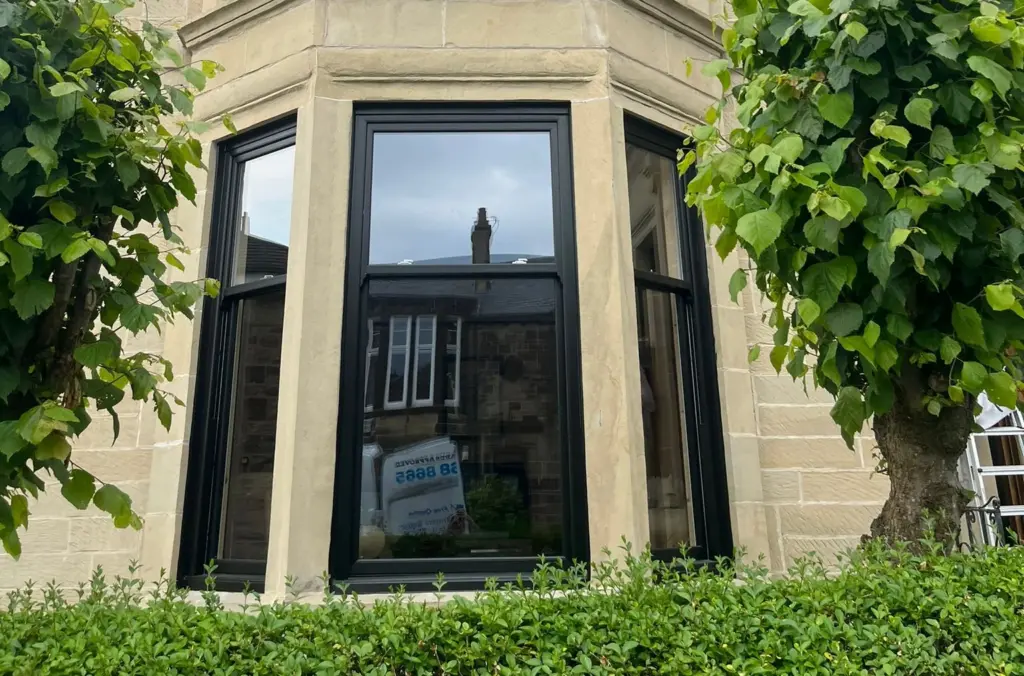
The vast majority of conservation area window work in Scottish towns and cities involves sash windows on traditional tenements and terraces. When planning consent is required or sought, the primary consideration is whether the proposed replacement preserves the character of the original. Modern PVC-u sash windows can closely replicate timber originals when correctly specified:
- Ovolo profile — the rounded edge detail of the Logik Ovolo more closely replicates timber than a chamfered profile, and is more likely to receive planning consent in sensitive areas
- Traditional horns — the decorative projections at the bottom corners of the upper sash are a defining feature of Victorian sash windows; specifying horns is strongly advisable in conservation area work
- Run-through sash joints — the joint detail at the meeting rail of the sashes replicates the traditional timber construction and is visible on the exterior elevation
- Colour — most conservation area consents will specify white or a heritage colour; confirm with the planning authority before ordering
Listed Buildings
Listed building status imposes stricter controls than conservation area designation. Any work to a listed building that affects its character requires listed building consent in addition to any planning consent. On listed buildings, PVC-u is almost never appropriate — timber or aluminium windows that replicate the original profile are the standard requirement. Direct your client to Historic Environment Scotland’s listed buildings guidance and ensure listed building consent is in place before any work begins.
Practical Advice for Joiners
- Always establish conservation area or listed building status before advising on product specification
- Advise clients in writing that planning consent may be required and that they should confirm with the Local Authority before committing
- Keep a copy of any planning consent documentation before installation begins
- Specify products that genuinely replicate the original — not just the cheapest PVC-u option. The correct product protects your client and your reputation
We manufacture sash windows with traditional horn details, ovolo profiles, and period-appropriate aesthetics that are suitable for conservation-adjacent and sensitive work. For more on sash window ordering, read our guide on what you need to know when ordering trade sash windows, or contact our trade team to discuss a specific project. Installers such as Clyde Windows & Construction’s sash and case window service fit this style of period-appropriate sash regularly on conservation-adjacent Scottish properties.